When Is It Time to Have Your Asphalt Surface Repaved?
Asphalt is used for driveways, parking lots, roads, walkways, and other paved areas because it creates a smooth, functional surface for vehicle and foot traffic. Like any exterior surface, though, asphalt is continually exposed to traffic, sunlight, water, temperature changes, and other conditions that can contribute to deterioration over time.
Routine maintenance and timely repairs can address many small asphalt problems, but there eventually comes a point when repairing individual areas may no longer be enough. Recognizing the signs that your pavement needs to be repaved can help you determine when it makes sense to replace or renew a larger portion of the asphalt surface.
Widespread Cracking Can Signal a Larger Problem
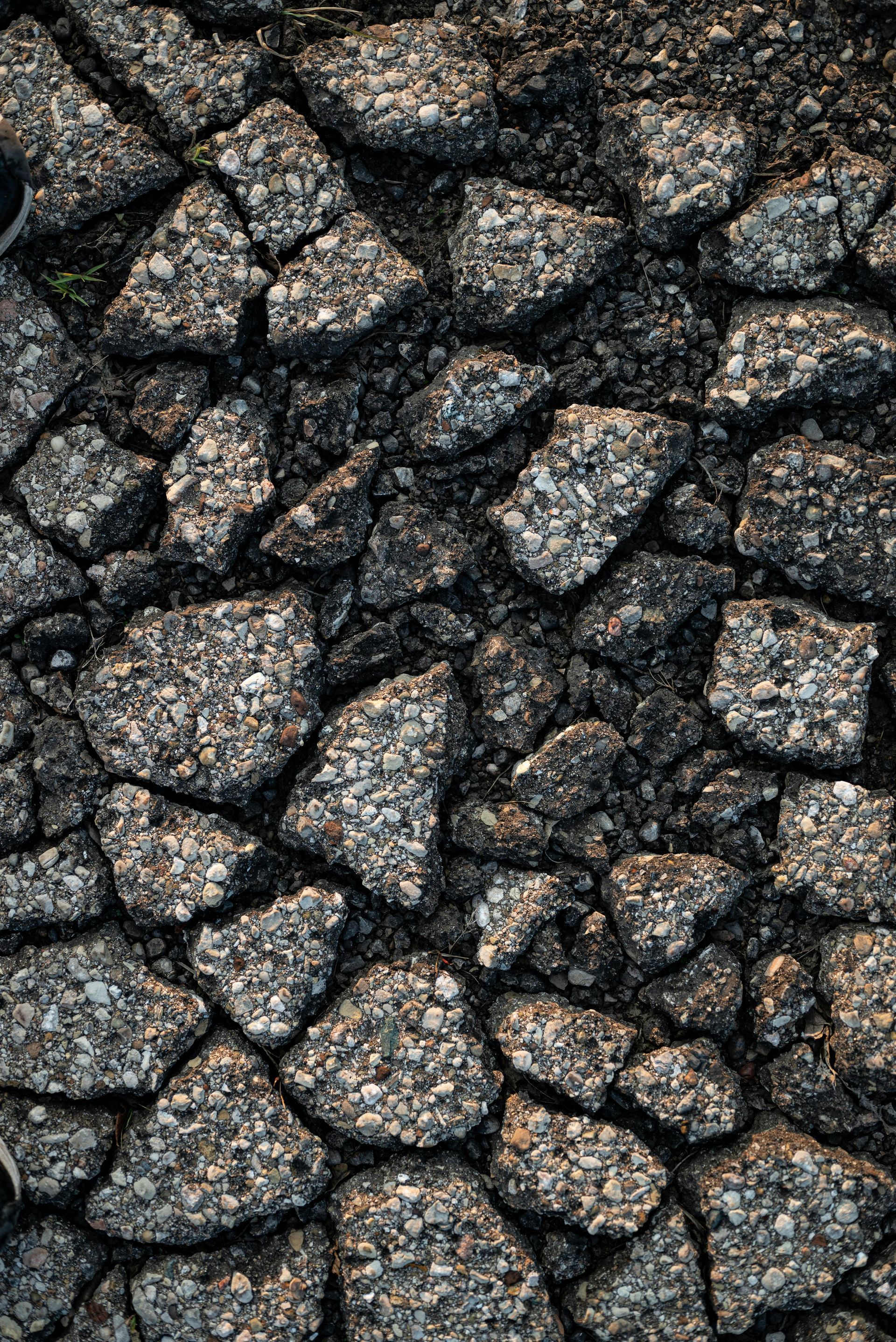
A few isolated cracks do not necessarily mean an asphalt surface needs to be repaved. Crack repair can address localized openings and help slow further pavement deterioration. When cracks become widespread, interconnected, or repeatedly return after repairs, though, the condition may indicate deterioration that extends beyond a small section of pavement. Property owners should pay particular attention to changes such as:
- Numerous cracks covering a large portion of the pavement
- Cracks that continue to widen
- Multiple cracks forming interconnected patterns
- Previously repaired cracks reopening
- Cracking accompanied by sinking, potholes, or uneven pavement
Instead of continuing to repair many individual areas, repaving may provide a more practical way to create a consistent surface.
Frequent Potholes and Patches May Mean Repairs Are No Longer Enough
Patching is useful when damage is concentrated in a specific portion of a driveway, parking lot, road, or other paved area. The situation changes when potholes repeatedly appear throughout the pavement or when a surface contains numerous patches from previous repairs. If property owners find themselves continually addressing new problem areas, it may be worth having the overall condition of the pavement evaluated rather than continuing with individual repairs. A repaving project can address a larger deteriorated area at once, leaving the property with a more uniform driving or walking surface instead of a collection of patches.
Uneven, Sinking, or Rough Pavement Deserves Attention
Asphalt should provide a relatively smooth and usable surface. Over time, sections can begin to settle, become uneven, or develop rough areas. Depending on the extent and cause of the damage, isolated sections may be repairable. More widespread changes can indicate that a larger paving project should be considered. Uneven pavement can also affect how people use the property. Drivers may have to maneuver around depressions or rough sections, while pedestrians may encounter areas that are less comfortable to walk across. Parking lots and driveways can also become more difficult to navigate when deterioration is spread across the surface. If a significant portion of the asphalt has changed shape or condition, an assessment can help determine whether patching remains appropriate or whether repaving would make more sense for the property.
Drainage Problems Can Contribute to Pavement Deterioration
Water can affect asphalt when it enters cracks or collects in areas where the pavement has settled. Asphalt maintenance measures such as crack repair and seal coating are intended in part to limit exposure to water and other elements, helping protect an existing surface as it ages.
Standing water can also be a visible indication that the pavement is no longer draining as intended. Depressions, low spots, and other changes in the surface can allow water to remain after rain rather than moving away from the paved area. Signs worth watching include:
- Puddles that repeatedly form in the same locations
- Water collecting around cracks or potholes
- Depressions that have developed in the pavement
- Areas that remain wet significantly longer than the surrounding surface
Drainage problems do not automatically mean an entire surface needs to be repaved, but widespread issues are worth evaluating along with the overall age and condition of the asphalt.
Consider the Overall Condition of the Surface
There is no single visual sign that determines whether every asphalt surface should be repaired or repaved. Traffic, weather exposure, maintenance history, drainage, and the condition of the pavement can all influence the appropriate next step. Looking at the surface as a whole is often more useful than focusing on one crack or pothole. If most of the pavement remains in good condition, services such as crack repair, patching, or seal coating may address the problem. When deterioration is widespread, repairs have become frequent, or several different types of damage are appearing at the same time, repaving may be worth considering. Having the pavement evaluated can help property owners decide which approach is suited to its current condition.
Contact Us for Asphalt Paving Services
When your driveway, parking lot, walkway, or other asphalt surface has reached the point where repairs are no longer sufficient, Asphalt Construction can help you plan your next paving project. Our company provides residential and commercial asphalt paving along with services including driveway paving, parking lot paving, patching, crack repair, chip sealing, and seal coating. Our paving services can also be used for curbs, walkways, walking trails, and other paved surfaces. We serve property owners throughout Ardmore, OK; Celina, TX; Denton, TX; Gainesville, TX; and Sherman, TX; as well as surrounding communities. If your asphalt surface shows signs of needing to be repaved, contact us today for a free consultation!